By Hunter Korble, Engineer in Training
A GRADUATE’S PERSPECTIVE ON CHOOSING SCOVAN
After five years of studying mechatronics and AI engineering, you quickly notice a massive gap between theory and reality. In academic and high-tech circles, robotics and AI are often discussed as mature, fully realized innovations. However, the reality is that there is a massive difference between a theoretically realistic system and a safe, reliable technology that is ready to withstand the critical constraints of heavy industry like Alberta’s oil and gas sector.
This gap emerges not because the technology isn’t ready, but because in heavy industry failure isn’t an option. Many industries that have seen the earliest adoption of “general purpose” AI and robotics technologies have been those with the lowest risk of failure. An AI legal assistant crafts a poor argument, a lawyer can fix it. A cleaning robot misses a spot, no big deal. But if a humanoid robot managing valves on a northern Alberta drilling rig gets confused because there are too many snowflakes on its camera lens, expensive and possibly dangerous situations are inevitable.
Graduating students in my position are forced to face this reality with a personal decision. We can either focus on lower risk industries where we can implement what we have learned without friction, or face the beast of higher risk industries, where the technologies that inspire us will require a multi-year battle before we will see them realize their true potential. Deploying autonomous systems in these harsh environments demands more than just clever code; it will require the rigorous safety frameworks, accountability, and ethical standards of professional engineering. Many of my robotics and AI classmates in lower risk industries may never be forced to face the ethical and safety obligations of a professional engineer. Personally, I am emboldened by the challenge of working to tame higher risk industries like Alberta’s oil and gas sector with complete engineering rigor.
WHY SCOVAN
A desire to take on a challenge of this scale requires a work environment that doesn’t just tolerate the friction of innovation, but builds its engineering culture around it. Scovan is a company that understands what it means to drive forward new technologies in an industry that is often viewed as stuck in the past. For these reasons Scovan is a remarkable place for someone with my background and passion to begin their career. This is ultimately what drove me to join Scovan. An inspiring example of Scovan being a technology forward company has been their work in developing and integrating an AI system, Artisan, which automates engineering deliverables. Many similar oil and gas companies would never be willing to shift away from all manual work. This willingness to embrace the reality of new technologies is what makes Scovan unique in heavy industry.
INNOVATIONS IN THE MAKING
Despite the challenges ahead, Alberta’s oil and gas sector is among the most exciting industries in the world for automation. The sector’s combination of remote locations, non-stop operations, unsafe conditions, and expensive labour makes it uniquely suited for robotics. With this in mind there are a lot of new innovations to look forward to.
AUTONOMOUS DRONE INSPECTION
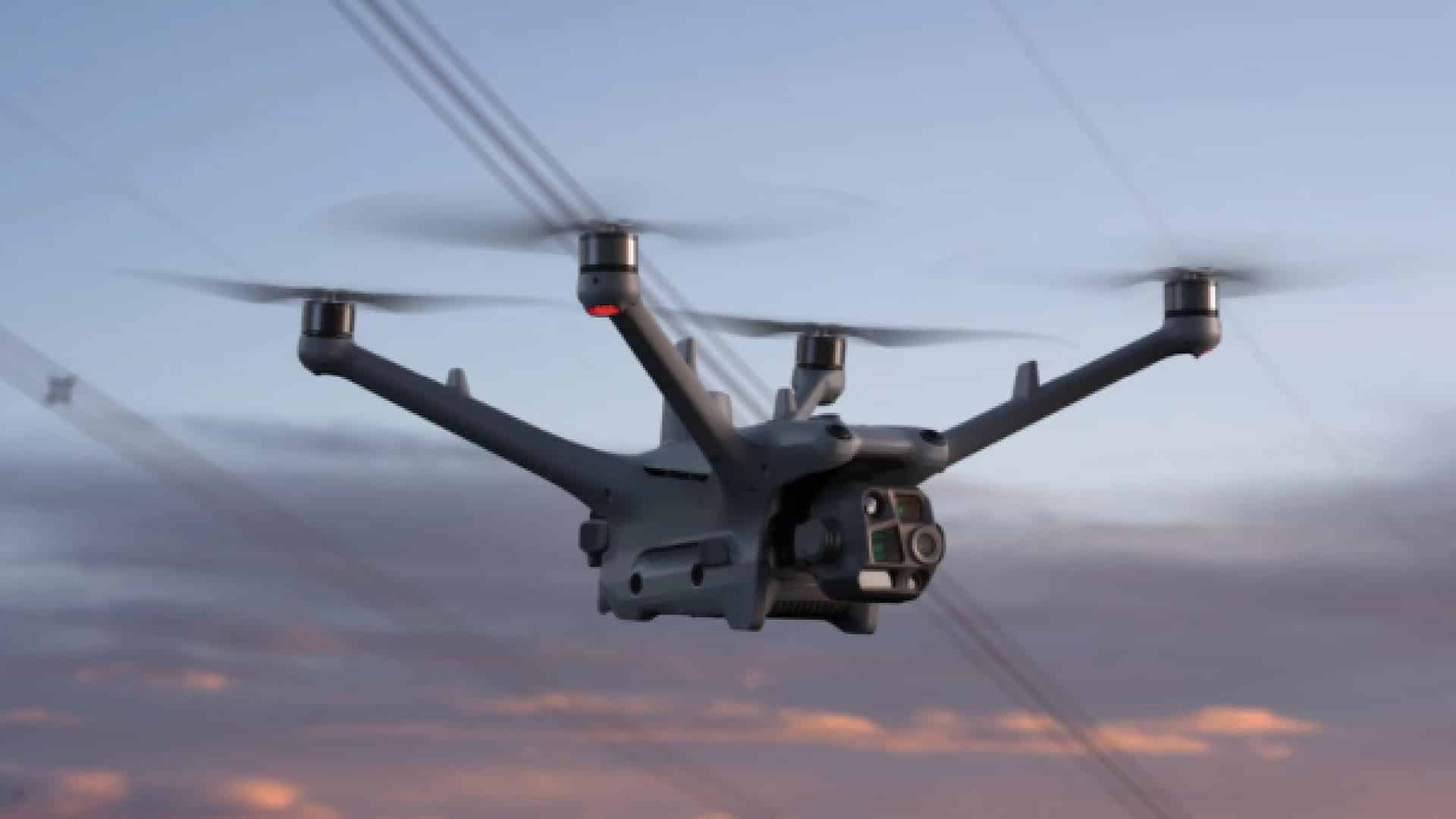
Using a permanently onsite drone for inspection offers a host of advantages over human eyes: 24/7 operations, advanced cameras, visibility from all angles, long-distance scanning, and more make drone inspection a clear winner. While drone inspections are used today, they still largely rely on onsite pilots. The real breakthrough lies in fully autonomous, permanently stationed drone systems that eliminate the need for continuous human intervention.
MOBILE ROBOTICS ON DRILLING RIGS
Today, humans are forced to work in extreme, remote, and dangerous conditions in order to operate and construct drilling rigs and other industrial oil and gas equipment. While a lot of work is needed to ensure these systems are reliable, mobile robots are perfectly positioned to take over this work.
AI-POWERED DIGITAL TWINS
Using advanced onsite sensors, AI systems are able to generate advanced data regarding the mechanical health and operation of oil and gas assets. This information can be fed into a computerized recreation of the asset, known as a “digital twin” version. This digital twin can be used to perform preventative maintenance and catch issues long before a human eye or ear would ever notice an issue.
THE PATH FORWARD
The transition from lab AI and robotics to industrial deployment won’t happen overnight. It will require a relentless commitment to engineering rigor, a willingness to face the harshest constraints, and company cultures that refuse to stay stuck in the past. For a person in my shoes, Scovan provides the perfect opportunity to embark on this quest. By combining advanced systems with the strict safety frameworks of professional engineering, companies like Scovan aren’t just predicting the future of heavy industry, they are actively building it.
Originally published in IGNITE V12

